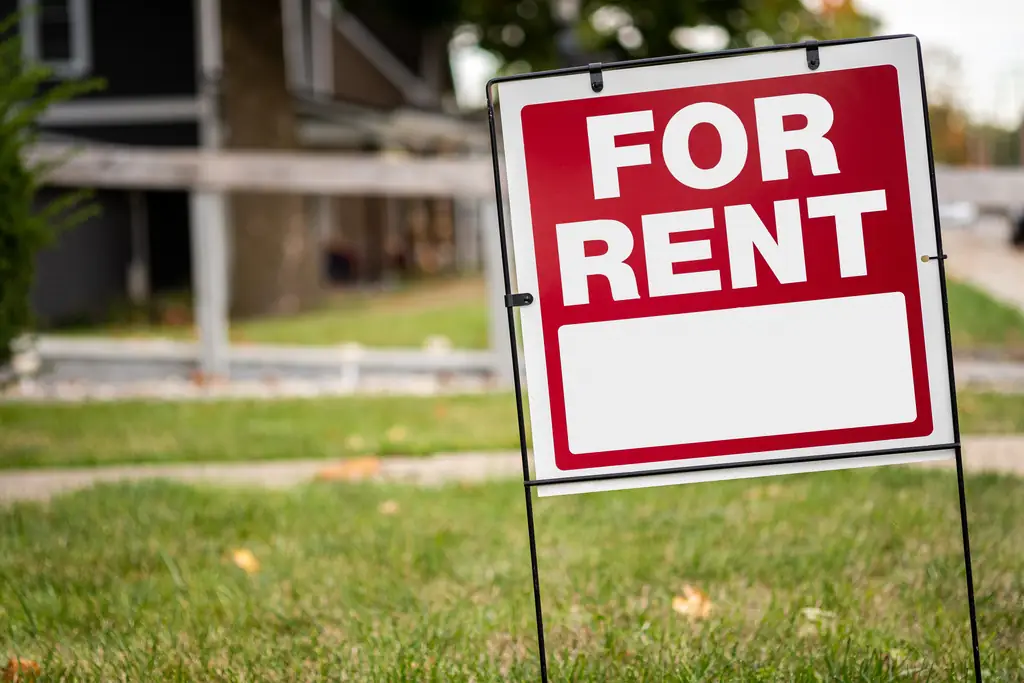
What goes into good rental management? Owning a rental property requires more than seeing it as a source of passive income. Before you collect rent and pay the bills, you need an ongoing effort to coordinate the different parts of how rentals work. In this podcast, Westward 360’s Nathan Brown and Joe Smazal explore those moving parts and responsibilities.
What Does Rental Management Involve?
Most people consider rental ownership when they see the chance to generate passive income. However, making a rental property feel more “passive” or hands-off requires someone else to handle the work behind the scenes.
Nathan’s own experience made him realize just that. He started with a four-unit building in Chicago’s Lincoln Park neighborhood. He planned to live in one unit and expand the attic. However, along the way, he discovered a problem with his construction plans: city requirements.
As a result, the building had to pivot into a four-unit rental property. This left him managing it while working a full-time corporate job.
Finding help also proved to be harder than expected. According to Nathan, some property managers saw his building as too small, while others didn’t even return his calls. The experience helped him think about and shape a business focused on serving owners whose properties might be modest in size but still require substantial personal investment.
As Nathan puts it, “There’s a bunch of people like me that are just trying to get into this.”
The lesson he learned goes beyond the building’s size. Owning a rental property means you have operational responsibilities that need attention. Owners may have other careers, but their property still needs people to manage it and respond when issues arise.
The lesson goes beyond building size: rental ownership comes with operational responsibilities that need attention. An owner may have another career, but the property still needs people who can respond when something goes wrong.
Understanding Rental Income and Expenses
Rental income alone doesn’t show how well a property is performing. Expenses can affect how much money is left for the owner. At the same time, a building’s sale price doesn’t reveal much about what was invested along the way.
Nathan and Joe challenge the assumption that landlords keep most of the rent they collect. In fact, tax and insurance bills, along with operating costs, leave much less profit than most people expect. They also point out that expenses don’t necessarily rise at the same pace as rental income.
The work and money invested over the years can also be easy to miss. “People see the results without understanding what it took to get there,” Nathan says.
This makes attention to the daily operations important. Nathan describes an ownership-based approach to management that asks how a building can be handled that can improve a client’s bottom line..
However, controlling your expenses is only one part of the job. Nathan explains that Westward 360’s vendor relationships and scale can help with pricing. However, these savings alone might not significantly change your property’s performance. Owners should also consider what the building could earn and what investment would be needed to achieve that goal.
Plan for the Property’s Future
Property management and asset management both address connected questions. One focuses on keeping the property running day to day. Meanwhile, the other focuses on decisions that may improve the investment over time.
Both types of management matter. After all, a property manager’s ability to deliver excellent service depends partly on the owner’s willingness and ability to invest in it.
Here are some things they mention that can be done:
Budget for Major Repairs
Replacing a property’s roof or HVAC system may require the owner’s approval before work starts.
According to Nathan, his managers operate by having contractual spending limits. This puts them between a tenant who needs a solution and an owner who isn’t ready to fund it.
“You have to reinvest in that investment to have it continue to work,” Nathan says.
You can do temporary repairs, as they may provide a bit of breathing room. However, this doesn’t remove the need to consider a larger replacement sooner rather than later.
Westward 360’s asset management program is designed partly to help owners with this. It supports owners in creating a capital expenditure plan and helps them understand when to set aside funds.
Doing this also challenges the expectation that future costs can fit comfortably within the rental property’s current cash flow. According to Nathan, owners sometimes need to spend more to improve the property’s performance over time.
Assess the Cost of Upgrades
Long-term planning also involves considering whether an upgrade would support or lead to higher rental income.
In a sample scenario, Nathan describes a renovation that could increase rent by 20%. In that example, the additional income helps recover the renovation costs over five years. These figures are an example of the calculations a property owner may review, not an expected outcome for each property.
“We want to help get information to people to make decisions that benefit their investment,” Nathan noted
Calculating and figuring out the numbers is, again, another part of this process. The discussion also notes the owner’s budget and time horizon as two important factors to consider, along with the property’s financing arrangement.
So, a proposed improvement needs more than enthusiasm. It also needs a clear connection between the cost, the potential benefit, and the owner’s goals.
Choose the Right Team
If you’re planning to buy a rental property, start planning how you’ll manage it before you close.
Nathan mentioned encountering owners who bought a building without seeing it. Those owners relied on the advertised numbers and tried to manage it all the way from another state. By the time they spoke to a manager, the property was already failing to meet expectations.
“It’s about talking to people, interviewing people, finding your team,” he says.
That team can help an investor understand how a property will operate after the purchase.
“Find your commercial broker. Find your property manager. Find your attorney,” Nathan advises, noting that one trusted professional can often introduce the others.
Ask How Your Team Is Paid
When choosing your team, you also need to understand the incentives you are willing to provide. Asking how these professionals are compensated will help a property owner understand what might influence the advice they receive.
“Understand the motivations of that team that you’re building,” Nathan says.
Factoring these in should clarify whether a manager’s interests align with the property owner’s goals. Joe added that openly discussing incentives is a constructive first step in an owner’s relationship with managers.
Check Your Plans Before Buying
Your property’s rental potential matters, but it needs to be feasible. Circling back to Nathan’s unsuccessful attic conversion plan shows how an improvement that seems simple enough can run into practical restrictions.
“What I look at is not what the property is doing now, but what the property could be doing in the future,” he says.
He also advised owners to find the right people involved and understand the expenses that come along with it. For example, when construction is part of the plan, you will need a capable construction partner. Historical performance also provides useful information, but an investor should also understand how the building will fit into their own operation.
Handle Problems and Communicate Clearly
Managing rental properties is a business where most contact happens when issues arise. Residents don’t usually speak to property managers or landlords when everything’s working fine. However, they would need an immediate response if an issue disrupts their home life.
“We’re here for when it doesn’t work and trying to solve it in that moment.”
Communication and problem-solving should lead your management service. For Nathan, the work involves helping clients navigate difficulties and getting the property back on track.
Reliable service also requires a certain depth in your team. For example, your preferred maintenance provider may become unavailable, so having backup vendor relationships is important as well.
As your management company grows, it needs people who can make decisions and give clients a clear path to answers when an issue needs further attention.
Nathan also emphasizes that he remains reachable even with a larger team. For an owner entrusting a company with a significant asset, that access is part of the relationship.
Use Technology to Improve Service
Modern problems call for modern solutions, and technology can definitely improve rental management. It makes information easier to manage and find, enabling faster responses. It also creates opportunities to reduce administrative work, including the time needed to search a lease for a specific detail.
“It allows for more human connection and human conversation and actual relationship building,” Nathan says.
Having these details readily available also makes such conversations more productive. This lets managers and clients work towards a solution together.
Of course, even with technology, the physical work is still needed. A faster answer doesn’t automatically fix what needs fixing. Digital solutions don’t remove the need for having maintenance contractors or personal relationships
They describe the manager’s role as serving the owner while helping build a relationship between the owner and the tenant.
“We ultimately work for the owner, but we’re trying to make sure we are providing services to both parties that work.”
With that approach, you can use technology to support the people delivering the service and help them meet rising expectations.
Take a Long-Term Approach
Effective rental management connects everyday service with decisions about the property’s future. If you treat your property as an ongoing business, you need to consider more than the next rent payment. Building relationships that can support it through both routine operations and difficult moments is key.
Westward360 Rental Management provides property management services to multifamily properties, single-family and condo units, commercial establishments, and mixed-use developments in Chicago and beyond. Call (773) 648-7244 today or contact us online to get started!