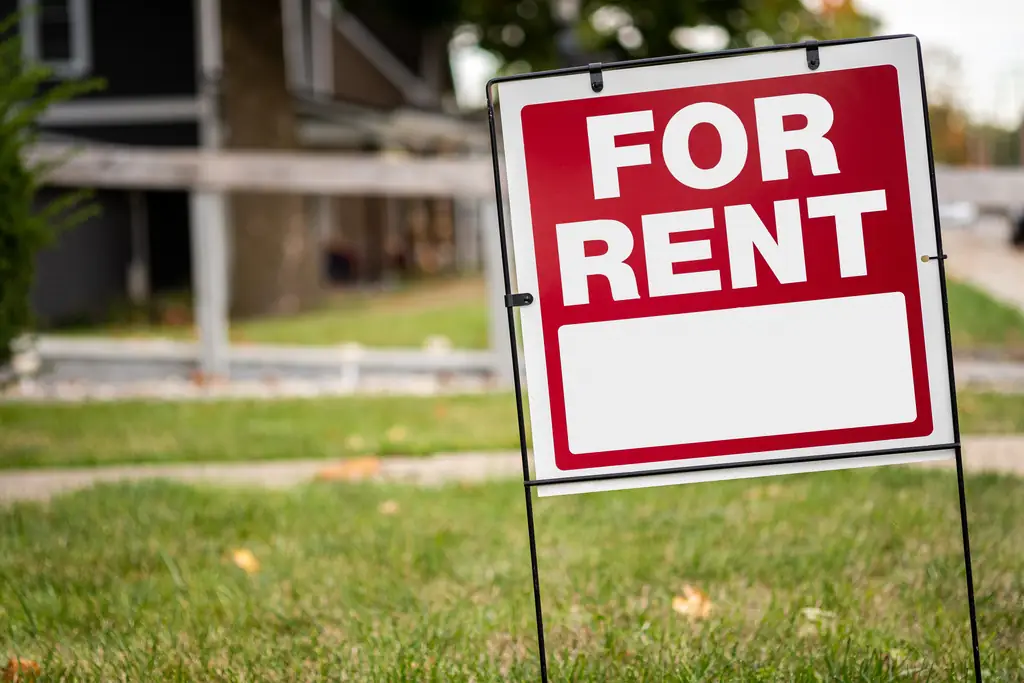
Rental housing policies affect both building residents and the homeowners who need to keep things running. In this podcast, Mike Glasser and his guest, Adriann Murawski, a lobbyist working with the Neighborhood Building Owners Alliance (NBOA), discuss how those interests connect. This conversation looks more closely at the many pressures facing neighborhood landlords and why they need practical experience when creating housing rules.
What is the NBOA?
The Neighborhood Building Owners Alliance, or NBOA, brings together local building owner organizations to give neighborhood housing providers a shared voice. As Mike explains, the alliance started with groups whose members believed city officials needed to better understand multifamily ownership and management.
This neighborhood focus is crucial to that purpose. A property owner managing a two-flat or a small apartment building may have access to different resources than a company operating a large portfolio.
“We truly are in the neighborhoods, and we are throughout the county,” Mike says.
For these owners, advocacy creates an opportunity to explain how these policy proposals can affect their buildings. It also brings their experiences into meaningful conversations where residents are already getting attention.
Bring Practical Experience Into Housing Policy
Rental regulations may seem simple until someone considers how they would work in an occupied building. Owners must consider the effect on day-to-day operations and whether they can afford to comply.
Education is also a key part of the NBOA’s approach. According to Adriann, her role involves helping legislators understand how the things they want to regulate work.
“To make good policy, you need to understand all of the dynamics.”
This means they need to explain more than just the owner’s objections to the proposal. It may also involve showing how a decision could affect a property owner’s ability to maintain the property or continue renting it out.
The conversation also notes that elected officials hear directly from renters and tenants facing housing difficulties. If policymakers include homeowners in that discussion, it adds another perspective to consider when trying to address the problem.
Understand the Debate Around Rental Housing Rules
Upcoming changes to Chicago’s rental housing policies have raised an important question: How can Chicago protect renters and tenants while allowing owners to keep operating and maintaining their properties?
The proposed Protect Renters Ordinance has brought that conflict into focus. Its provisions and relocation assistance intend to address housing instability. However, the NBOA argued that the additional expenses and restrictions could make smaller rental properties difficult to manage. Meanwhile, a separate proposal from a group of aldermen offered an alternative the organization found more workable, though some provisions still needed clarification.
The challenge is to address specific problems with measures that work in practice. For example, giving tenants a clear point of contact for an unresponsive building owner addresses an identifiable need. Broader changes to lease renewals or owners’ financial obligations require closer consideration of how they could affect the housing those tenants depend on.
Consider Both Sides of Lease Nonrenewal
“Just-cause” requirements are central to the conversation. The concept requires a reason to end a lease or decline to renew it.
Mike acknowledges why such protections attract support. A resident may have lived in an apartment for years and paid rent consistently and on time, only to face being kicked out when a new owner plans renovations.
From an owner’s perspective, however, the ability to plan improvements matters, too. According to Adriann, tenancy decisions can tie into the building’s long-term condition.
“You want to maintain that building,” she says.
The tension is between protecting residents from disruption and allowing owners to manage their properties. Understanding and considering both concerns creates a more meaningful, useful debate than treating either side’s needs as unimportant.
Recognize the Financial Pressure on Small Buildings
Small rental properties can be especially vulnerable to income interruptions. Losing even just a few payments can make a significant difference when that income supports the building’s operating costs.
Mike gives the example of a six-flat where one or two tenants stop paying rent. Adriann points out that the situation becomes especially difficult when an owner has invested much of their savings in buying the property.
“They could easily lose that building, especially if you haven’t set up enough reserves,” she says.
Leave Room for Unexpected Costs
A purchase is only the beginning of the owner’s financial commitment. You still have to pay the mortgage even if you don’t receive rent payments. Property taxes don’t simply disappear just because your building’s cash flow stops.
This is why reserves matter. If an owner has little left as a buffer after buying a building, they have less room to respond and move if income fails or something breaks.
This also puts the affordability debate into practical terms. Policymakers should consider whether owners can keep operating their properties under these changes, especially if they raise expenses.
Make It Easy for Residents to Reach Someone
Having clear accountability is one area where the speakers identify a real need for improvement. Residents should know who they should contact when they encounter a problem with their building.
Adriann describes conversations with an alderman on properties where tenants couldn’t identify a responsible owner. With no clear contact, even reporting a maintenance concern became a hassle.
“But there should be someone, at least locally, for a tenant to reach,” she pointed out.
For rental management, that principle is pretty straightforward. It means residents need access to someone who can take responsibility for the property. A contact arrangement is only useful if it leads to a response.
Connect Affordability With Housing Supply
The conversation eventually turns from individual buildings to the wider housing market. Both speakers argue that improving affordability requires focusing attention on housing supply and the rules governing existing rentals.
They question whether some development policies have delivered their intended results. Adriann particularly calls for a closer examination of how Chicago’s Affordable Requirements Ordinance affects the ability to build housing.
She does not argue that affordable housing is unnecessary. As she puts it, “We desperately need affordable housing.”
She asks whether the policy approach produces enough homes. For neighborhood owners, the related concern is whether existing buildings remain viable and continue contributing to the rental supply.
Take an Informed Approach to Rental Ownership
The NBOA conversation connects housing policy with the everyday work of maintaining rental homes. It highlights the value of understanding a building’s financial pressures and ensuring residents have someone to turn to. An informed approach to ownership keeps both the property’s long-term needs and the people living there in view.
Westward360 Rental Management provides property management services to multifamily properties, single-family and condo units, commercial establishments, and mixed-use developments in Chicago and beyond. Call (773) 648-7244 today or contact us online to get started!