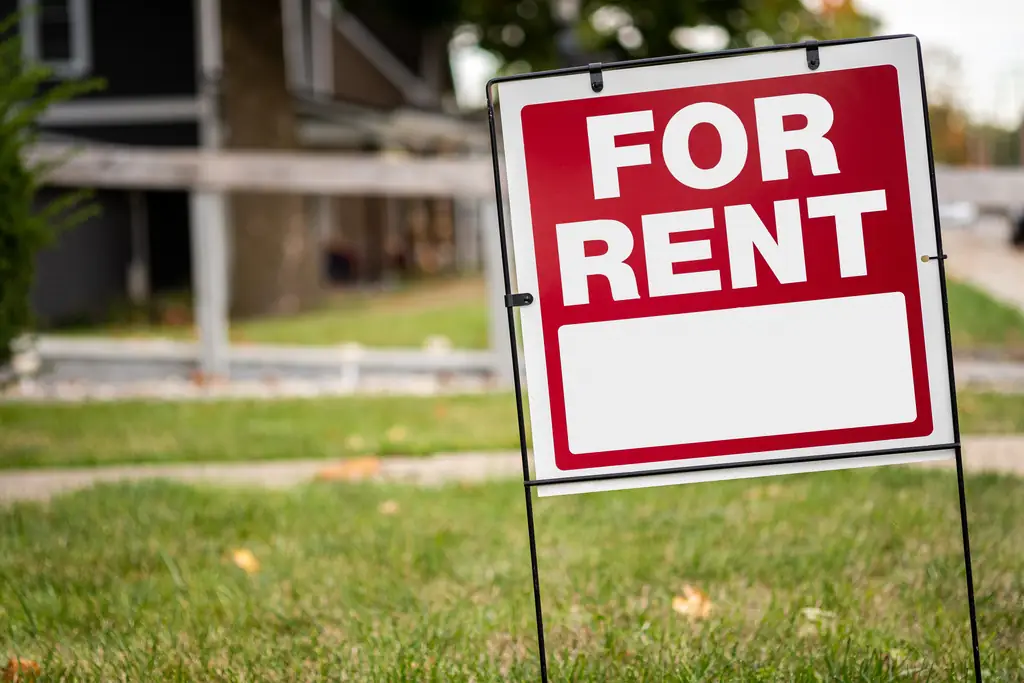
Pricing a rental in Chicago takes more than just copying the highest nearby listing. It’s important that landlords are familiar with average rental prices and know how to compare units so they can determine a rent price that will be attractive to renters.
What is the Average Apartment Rent in Chicago?
The average rent in Chicago is mainly determined by property type and demographics. The average apartment rent is around $2,500. Average studio rent is around $ 1,700. Meanwhile, the average rent for one-bedroom units is around $2,400, and for two-bedroom units, $3,300.
Rent varies. After all, a luxury apartment offered in River North is not going to appeal to anyone looking for a garden unit offered in Portage Park.
A renovated condo near transit will not perform the same way as an older unit with limited parking. A recently updated condo close to public transit will not function the same as an older condo with fewer parking spaces.
How Much Should I Charge for Rent?
The answer to “how much should I charge for rent?” is the fairest price the market will allow, given quality tenants who will rent at the listed rate. A good rent ought to account for the owner’s expenses, be competitive with the property’s value, and be reasonable to those looking at comparable homes.
First, you will have to consider the expense of ownership. The rent should cover numerous items, including debt service, property taxes, insurance, assessments for the homeowners’ or condominium association, repairs, management, and a vacancy allowance. However, prices dictate a maximum limit, or ceiling, on the market. Tenants are not appeased by paying more because the owner has a larger mortgage and higher assessments.
After this, you can make feature adjustments. A rebuilt kitchen can command higher rent than an obsolete one. In-unit laundry may provide a unit with some of the competitive advantages of shared laundry rentals.
Other factors that may affect demand include parking, storage space, outdoor space, and transportation connectivity.
The final number should be based on tenant retention. An extra month or two of rent might not matter if the amount they pay keeps rising and the neighborhood is really up and coming. However, one empty house could be enough to wipe out all the extra rent you could’ve potentially collected. Higher rent increases may lead to better long-term returns if they are collected from a reliable tenant who is responsible and makes appropriate repairs.
What is the 2% Rule for Rentals?
Technically speaking, the 2% rent cap is a rough guideline for investors. It specifies that one should be able to afford monthly rent of around 2% of the purchase price. That rule would say that a home bought for $300,000 should be rented for $6,000 per month.
This can be difficult to accomplish in long-term residential rentals in Chicago. An average $300,000 condo or single-family home rarely brings in $6,000 per month in rent unless it has special features.
Many landlords in Chicago find the 2% margin too high and may end up turning away properties that they could make work. One way to do this is to employ the rule as a preliminary check. Depending on the proximity, a more thorough evaluation may be warranted. Even if it doesn’t meet the owner’s expectations, the owner should still consider cash flow, financing, repair needs, community covenants, and rent growth.
What is the 80/20 Rule for Rental Property?
Under the 80/20 rule of rental properties, a handful of factors can account for most of the outcome. The factors that drive rent prices are most often where a home is located, how it looks, how many bedrooms it has, and how long it is available.
While a landlord can make time to discuss cosmetic details, the fundamentals catch tenants’ attention. They would like the neighborhood, adequate space, a clean unit, and a price that is reasonable compared to other units offered. If these aspects are misrepresented, then little else in the way of extras will come close to remedying the wrong rent.
The rule may also apply to improvements. Simply updating a listing with fresh paint, improved lighting, clean floors, and new photos can make it seem more valuable without extensive remodeling.
The Impact of Chicago Rules on Rents
There are no rent control laws or ordinances in Illinois that local governments can adopt or enforce to limit the amount of rent they can charge for private residential or commercial property. Chicago landlords are free to set market rent; they just have to comply with local rent notice requirements.
The Residential Landlord and Tenant Ordinance requires written notice before a landlord raises the rent, refuses to renew a fixed-term lease, or allows a periodic tenancy to end. This over-30-day notice period applies to tenancies shorter than 6 months. Tenancy periods of six months and three years are 60 days, and tenancy periods of more than three years are 120 days.
The timing affects pricing. Landlords should take time to carefully examine the market, but should not delay too long, or the renewal period will pass before the increase is legal. They should review comparable rents well before lease terms are up, particularly for long-term renters.
Landlords should also refrain from making pricing decisions that could be perceived as discriminatory or retaliatory. Rent adjustments are a function of the market, property costs, lease provisions, and any documented business considerations.
Fair Pricing
While the average rent in Chicago provides a useful indicator for landlords, the price depends significantly on the unit, the neighborhood, the time of year, and tenant demand. Local rules can be consulted, current market data can be considered, and landlords can strike a balance between income and retention to make a well-informed decision on rent.
Westward360 Rental Management provides rent payment solutions to multifamily properties, single-family and condo units, commercial establishments, and mixed-use developments in Chicago and beyond. Call us today at (773) 648-7244 or contact us online to get started!
Related Articles:
- How Much Does Property Management Cost? Factors That Affect Pricing
- How To Reduce Rental Vacancy In Chicago
- Illinois Rental Move-In Fees And What Landlords Should Know