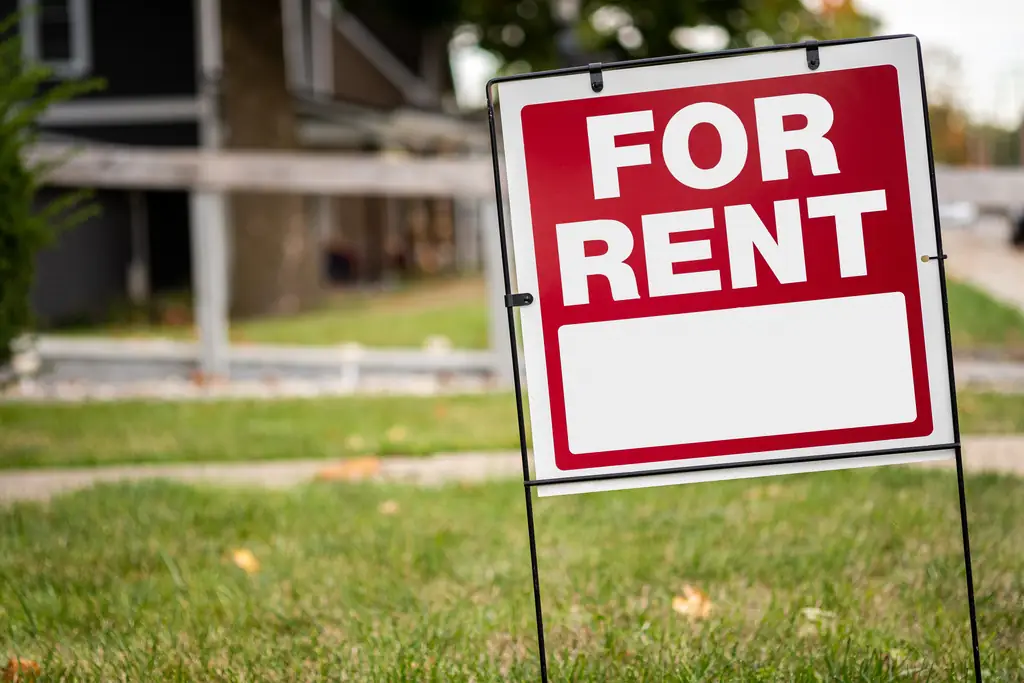
Property management costs can vary depending on several factors. It is not some arbitrary number or percentage that providers throw around. The property’s size, location, and complexity, among other things, can all contribute to the cost. Rental owners must understand this so they can accurately determine if the price is worth the money.
How Much Does Property Management Cost?
There is no universal dollar amount for property management pricing. Every company has its own model, and prices don’t even stay stagnant. For example, two rental properties may be completely identical except for their condition. If one requires more repair work, it will likely command a higher rate.
That said, average property management costs range from 8% to 12% of monthly rental income. Some companies charge a flat rate instead, which can range from $100 to $300 per month.
What Factors Affect Property Management Cost?
Property management rarely remains at a fixed price, as many things can have a direct and indirect impact on it. Here are the factors that can influence property management rates.
1. Size and Type of Property
The property’s size and type typically affect property management fees. Single-family homes usually cost more per unit because there’s more to manage. Multi-family buildings, on the other hand, often benefit from volume discounts. That said, luxury units or complex high-rises generally come with a higher price tag due to amenity management.
2. Age and Condition of the Property
Age and condition have clear impacts on long-term maintenance and repairs. Older properties, or those with deferred maintenance, usually require more inspections, maintenance, repairs, and vendor oversight. This increases the overall management costs.
In contrast, newer properties only need routine upkeep or preventive maintenance every now and then. There’s not much to repair, so there’s a diminished need for several vendors.
3. Location and Market Value
Properties in highly competitive or high-demand areas, usually large cities, generally command higher rental values. This drives up property management costs, especially if they’re based on a percentage. Downtown Chicago is a common example.
4. Scope of Services
The extent of the services a company provides is directly correlated with the property management cost per month. If an owner only requires basic rent collection and accounting, they can expect to pay a lower price.
In comparison, full-service management tends to sit on the higher end of the fee spectrum. This is because it includes all services, such as legal compliance, regular inspections, and 24/7 tenant support.
5. Tenant Turnover and Vacancy
If a property experiences a high turnover rate, that can drive up leasing and advertising costs. Many companies don’t include these costs in the monthly fee. Instead, they charge a separate leasing or tenant placement fee, which covers the cost of finding and screening new tenants.
6. Maintenance Markups
Many property management companies add a 10% to 15% markup on the total cost of materials and contractor labor when handling repairs. While this may not seem fair, it is common practice.
7. Portfolio Size
For investors with multiple properties or larger portfolios (such as apartment complexes), companies typically offer a discounted or bulk rate. Companies can do this because the services and overhead for these properties scale well. Owners can even negotiate down to 4%-7% of monthly rental income.
8. Regulatory Complexity
If a city or municipality has strict laws that require greater compliance oversight, companies will offset the related costs by raising their fees. Examples include the Chicago Residential Landlord and Tenant Ordinance (CRLTO) and Cook County ordinances.
Types of Property Management Charges
Apart from the rental property management cost, companies may also have additional charges. These charges can vary depending on the management agreement, so it’s important for owners to review the contract before signing.
Here are the other rental and condo property management fees.
1. Monthly Management Fee
This covers the fundamental cost of managing the property. It is usually a percentage of the rental income or a flat rate. For the former, owners should ensure the fee is a percentage of rent collected rather than rent due. This ensures that the company is only paid if it successfully collects the tenant’s rent.
2. Onboarding Fee
An onboarding fee, also known as a setup fee, covers the cost of a new account. If an owner hires a new management company, they should expect to pay this fee.
Work includes:
- Opening a new bank account
- Setting up owner portals
- Conducting the initial inspection of the unit
- Documenting the current condition of the unit
- Reviewing ongoing leases and security deposits
- Ensuring compliance with local laws
3. Leasing Fee
The leasing fee covers the cost of advertising the unit. Work often includes listing the property, taking professional photos, marketing on online platforms, performing property showings, and processing tenant applications.
This fee also covers the cost of screening potential tenants. It involves examining the applicant’s background, income, credit, employment, and past references. If an applicant passes, the leasing fee can cover the cost of lease preparation services.
4. Lease Renewal Fee
When a lease is up for renewal, many management companies charge a renewal fee. This covers the cost of evaluating the unit’s current condition, updating the rent in line with market trends, and assessing the tenant’s quality (on-time payments and no major lease violations).
Additionally, management companies will charge this fee to negotiate the new lease with the tenant, prepare the approved lease and other renewal documents, and ensure legal compliance. Tenants don’t always renew their lease, so most providers don’t include this cost in the monthly rate.
5. Eviction and Other Legal Fees
Sometimes, evicting a tenant is the only solution. When that happens, owners can rely on their management company to handle all the legal work. Of course, in exchange, the company will charge an eviction or legal fee to cover the administrative tasks of filing documents and going to court hearings.
Not the Only Consideration
While property management costs are certainly one of the determining factors, rental owners should take other factors into account. A company with lowz prices rarely offers the best service, as low prices often signal cost-cutting. Instead, landlords must weigh the price against other offerings, including scope of services and quality of support.
Westward360 Rental Management provides property management services to multifamily properties, single-family and condo units, commercial establishments, and mixed-use developments in Chicago and beyond. Call us today at (773) 648-7244 or contact us online to get started!
Related Articles:
- Is It Better To Self Manage Rental Property Or Hire A Manager?
- Illinois Rental Move-In Fees And What Landlords Should Know
- How To Reduce Rental Vacancy In Chicago