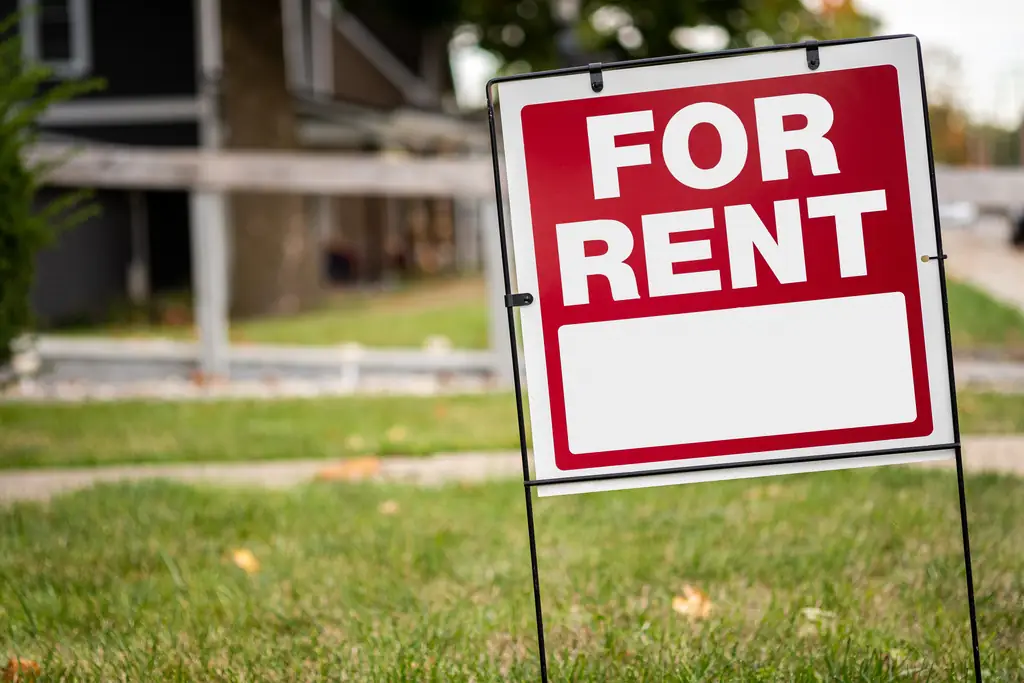
If you have a vacant unit, revenue from a Chicago rental may quickly erode because you’re not receiving rent while your expenses continue. If you want to reduce rental vacancy, property owners should first find out why that unit is not being rented.
What is Rental Vacancy?
A rental vacancy occurs when a unit remains unoccupied and is available to a new tenant. The rental vacancy rate, meanwhile, measures the share of rental housing that remains vacant at a given time.
Having some units vacant is normal in a functioning housing market. However, for individual property owners, prolonged vacancy will become costly because an empty unit doesn’t generate income.
Is Chicago Rental Vacancy High?
Based on current data, Chicago isn’t experiencing a citywide apartment vacancy problem. According to Cushman & Wakefield, the city has a 94.9% multifamily occupancy rate in the second quarter of 2026. This is above the market’s 10-year historical average of 93.8%. Additionally, effective rents increased 3.2% from a year earlier.
Northmarq similarly described Chicago multifamily operating performance as healthy in the second quarter of 2026. It also forecast that the overall vacancy rate could fall below 5% in 2027 if current market conditions persist.
These figures suggest that landlords should be careful about blaming a long vacancy entirely on weak demand in Chicago. If similar properties are leasing while one unit remains vacant, the cause may be specific to its price, condition, timing, or leasing strategy.
Why Rentals Stay Vacant
There are several reasons a Chicago rental may sit vacant longer than a property owner expects. Some of these reasons might be connected to overall rental demand, while others might be influenced by the landlord’s control. Finding out the cause will help landlords take the right action to solve the problem.
Here are some of those reasons:
Seasonal Demand
The demand for rental units may vary throughout the year. According to Zillow research, renter searches across the country tend to be lowest in November and December. Meanwhile, competition among renters increases around May or June.
The same rental activity shows a similar pattern in seasonal demand. There’s a longer wait between vacancies and move-in periods in winter than in summer.
However, this doesn’t mean that if you’re listing your property in winter, it’ll struggle. What it does instead is let landlords know to account for timing when checking the property’s performance.
High Asking Rent
If your rent is too high, it may lead to longer vacancies. Prospects usually compare available units and their prices, so a property that is an obvious outlier may get fewer inquiries.
Because of this, landlords should know how their asking rent compares with other similar properties in the neighborhood. Your goal is not necessarily to offer the lowest rent prices, but to ensure they are aligned with the unit’s location and characteristics.
Weak Listing Performance
If you want to minimize tenant vacancy, you also need to watch your listings. Even if your rent is competitive, your rental listing may still struggle if it doesn’t attract renters.
According to Apartments.com, in 2026, listings displaying the total monthly price received 15% to 20% more leads than listings without a total monthly price. Lead-to-lease conversion was also nearly 20% higher.
Should You Lower Rent?
The answer would depend on several things. You shouldn’t lower your rent without a good reason. Instead, you should find evidence that your asking price is too high and is causing the vacancy.
Before deciding, property owners should review what happens after listing the property. If you get very few messages about the unit, it may indicate either a pricing or a visibility issue.
Checking comparable rentals is another thing you can do. If similar properties are leasing for less, you may want to adjust your price. However, if your rent is already in a competitive range, having a temporary concession can encourage a lease at times.
Tenant Retention Matters
One of the most effective ways to reduce your rental vacancy rates is to avoid or minimize unnecessary turnovers.
If you have a reliable renter who decides to renew, you can avoid having to do marketing again and a gap in tenants. This also lowers turnover costs because you don’t have to handle the cleanup associated with a unit turnover.
Maintenance also plays an important part in your tenant retention. If you promptly address your renters’ legitimate repair requests, the tenant experience improves. It gives your current renters fewer reasons to look elsewhere.
You should also start renewal discussions early. If your tenant plans to leave early, advance notice may give the property owner more time to prepare the unit and begin the next leasing process.
Landlords should also consider rent increases carefully. A higher monthly rate may improve scheduled income, but losing a reliable tenant can create vacancy and turnover costs that offset some of that increase.
Benefits of Hiring a Property Manager
Rental management companies can help landlords reduce vacancy rates by coordinating the different parts of the leasing process.
A local manager may monitor competing rental rates and identify when a property’s pricing is out of line with the market. Management companies can also handle advertising, inquiries, showings, and applicant screening, as well as coordinate repairs and tenant turnover.
This can be especially useful when several issues are contributing to vacancy at once. A property may need better pricing, faster turnover, stronger marketing, or a more responsive leasing process rather than a single fix.
For landlords with limited time or multiple properties, professional rental management can help reduce avoidable delays and keep the leasing process moving.
Reduce Rental Vacancy Proactively
Chicago’s overall multifamily market remains relatively well occupied, so persistent vacancy should prompt landlords to examine the property itself before automatically cutting rent. Strong pricing decisions, efficient turnover, tenant retention, and professional rental management can all help reduce rental vacancy and protect long-term rental income.
Westward360 Rental Management provides property management solutions to multifamily properties, single-family and condo units, commercial establishments, and mixed-use developments in Chicago and beyond. Call us today at (773) 648-7244 or contact us online to get started!
Related Articles:
- How Much Does Property Management Cost? Factors That Affect Pricing
- Is It Better To Self Manage Rental Property Or Hire A Manager?
- The Benefits of Hiring a Rental Management Company