You can prevent disagreements between tenants and owners by understanding a landlord’s repair responsibilities. A clear division of responsibilities makes issues easier to address before they become more expensive problems.
What are Landlords’ Responsibilities for Repairs?
In general, landlords need to keep their rental homes safe and secure. In Illinois, property owners must make sure all necessary repairs are done to comply with the applicable health and housing codes. A lease also helps clarify each party’s duties, though it doesn’t automatically override legal requirements.
However, you first need to understand that maintenance and repairs are different. Maintenance helps prevent or slow down deterioration, while repairs restore what was damaged. For example, having a routine furnace inspection is a form of maintenance. Meanwhile, if you fix a furnace that has stopped producing heat, this is a repair.
Essential Systems and Safe Conditions
Landlord repair responsibilities generally cover problems that affect the home’s basic livability. A failing heating system is one example. Tackling that should be part of your landlord’s repair responsibilities.
The appropriate response depends on how serious the problem is. A loose cabinet handle doesn’t require the same urgency as a major leak. Owners should assess reported conditions promptly instead of assuming every request can wait until the next scheduled visit.
Normal Wear and Aging
Even with good care, things around the house still wear out over time. Usually, property owners shouldn’t consider ordinary deterioration as tenant damage, so they shouldn’t expect renters to fund their replacements or repairs.
The cause of damage is more important than when the problem appears. Aging appliances that stop working are an entirely different situation than appliances damaged because they were not used properly. Responsibility also depends on whether the landlord supplied it and what the lease requires.
What Maintenance Should Tenants Handle?
Renters or tenants are usually expected to handle ordinary repairs and use the property and equipment responsibly. They need to keep their living area clean and try to avoid scenarios that would cause damage.
Here are some maintenance responsibilities tenants should manage:
Everyday Upkeep
A lease may include manageable tasks related to everyday home maintenance. These instructions usually outline schedules for cleaning and indicate who would be responsible for replenishing supplies.
However, routine maintenance shouldn’t extend to major equipment repairs. Tenants required to change HVAC filters are not automatically responsible for fixing other damage. Additionally, all responsibilities assigned in the lease must comply with applicable law.
User Damage
Renters are commonly responsible for repairing damages that they’ve caused either because of negligence or misuse. If you broke a door because you handled it roughly, you will have to repair it. With this, any damage caused by a guest is usually covered by the tenant’s responsibilities.
To make this clear, property owners need to document the initial condition of the home. They would also need to establish what caused the damage before they could charge their tenants.
Who is Responsible for Plumbing Repairs in a Rental?
If a rental property has a plumbing issue, landlords usually need to handle it and coordinate with service providers. However, there are some instances where it might become the tenant’s responsibility instead.
For example, a blockage in the pipes due to improper trash disposal may create tenant responsibility. The plumber may find that renters have flushed wipes and caused an obstruction, and this can determine who should pay for the repairs.
If they experience water leaks, renters need to report the issues immediately. They should also avoid continuing to use the fixtures affected by the problem to make sure things don’t get any worse. Renters should also refrain from attempting any major plumbing work on their own without notifying the landlord.
Who is Responsible for Lawn Care?
The one responsible for taking care of the property’s lawn depends on the lease agreement and the applicable requirements. For single-family rental properties, the lease might assign this task to the tenant. However, the landowner may also offer to include professional lawn services with the rent.
When specifying lawn care, your lease needs to describe it clearly. For example, saying “maintain the yard” might be too vague and might result in disputes between renter and landlord on what that scope includes.
If the rental property is in an HOA community, the owner should also check whether the association maintains the lawn. Tenants need clear instructions that match the services already provided.
How Do HOA Responsibilities Affect Rental Repairs?
A rented home within an association may involve another responsible party. In Illinois condominiums, the board administers maintenance and repair of common elements, with the governing documents helping define the boundaries of responsibility.
A roof leak may therefore require the landlord to contact the association. An issue involving equipment serving only the unit may fall to the owner, depending on the documents.
Tenants should have a clear reporting contact rather than being expected to resolve ownership boundaries themselves. The landlord should coordinate with the association and keep the tenant informed about progress.
Property Management Companies: Do They Assume All Repair Responsibilities?
No. A property management company can perform maintenance-related duties on the landlord’s behalf, but hiring one doesn’t automatically transfer every legal obligation or repair expense.
The management agreement defines the company’s work. A manager may receive repair requests and arrange contractors. The agreement should also establish spending authority and explain when owner approval is necessary. Management services and maintenance charges aren’t necessarily included in the same fee.
The owner generally funds property repairs unless another party is responsible. A manager’s authority to approve a repair doesn’t necessarily mean the company pays for it from its own money.
Landlords’ responsibilities for repairs therefore remain relevant even with professional management. Illinois Legal Aid Online explains that the housing provider must ensure necessary repairs are completed correctly, regardless of who performs the work.
Building a Rental Property Maintenance Checklist
A rental property maintenance checklist should give each recurring task a responsible person and a schedule. It should also distinguish tenant upkeep from work requiring professional service.
Document the Starting Condition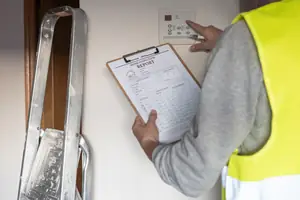
Owners and tenants should record the home’s condition at move-in. Dated photographs can help establish whether damage existed before the tenancy and reduce disagreements later.
Establish a Reporting Process
Tenants should know where to submit ordinary requests and how to reach emergency maintenance. Written reports should explain the problem and when it began. Photos can help the recipient understand its severity.
Confirm Repairs are Complete
A maintenance request shouldn’t be considered resolved simply because someone visited. The owner or manager should confirm that the problem was corrected and retain the repair record.
Tenants must also cooperate with lawful access arrangements. Illinois entry requirements can depend on the lease and local rules, so both parties should check the requirements that apply to the property.
Clear Responsibilities Make Maintenance Easier
Landlords’ responsibilities for repairs work best alongside clear tenant upkeep duties and prompt communication. A detailed lease helps everyone understand their role, while professional management can coordinate the work without automatically replacing the owner’s obligations.
Westward360 Rental Management provides property management solutions to multifamily properties, single-family and condo units, commercial establishments, and mixed-use developments in Chicago and beyond. Call us today at (773) 648-7244 or contact us online to get started!
Related Articles: