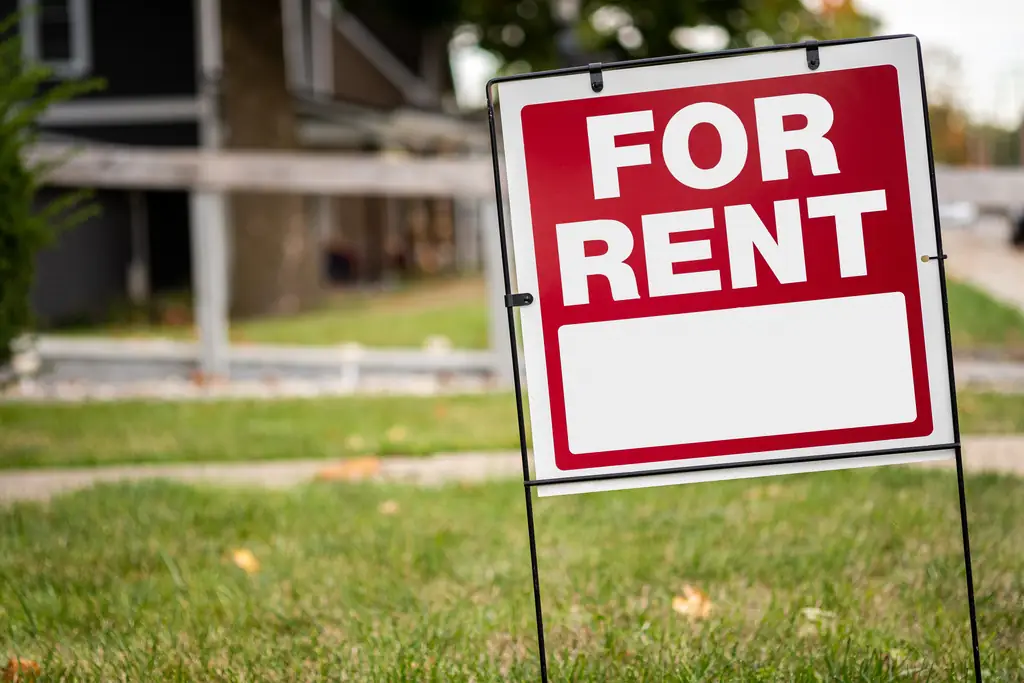
What do property managers do? Property managers assume the roles and responsibilities of the rental owner. With more time and experience, a property manager is better equipped to ensure all tasks are completed and investment values remain high.
What is a Property Manager?
Simply put, a property manager is a professional who oversees real estate, typically rental properties, on behalf of the owner. The manager handles the day-to-day operations of the rental based on the management agreement.
Property managers commonly oversee single-family rentals, condominium units, apartment buildings, and multifamily properties. Some also specialize in commercial buildings, mixed-use developments, or short-term rentals.
What Do Property Managers Do?
Property managers handle the day-to-day work of operating a rental property. Their responsibilities usually involve tenants, finances, leasing, maintenance, and property inspections.
The exact scope will depend on the property and the management agreement. Some owners hire managers for full-service support, but others only need assistance with leasing, rent collection, or maintenance.
More often than not, a professional manager is necessary when an owner lacks the time to focus on the rental operations. Owners who live far from their rental units or who own multiple properties can also benefit from professional services.
Understanding Property Manager Duties
What does a property manager do? The answer depends on the type of property and the services included in the management agreement.
That said, below are the most common property manager responsibilities.
1. Determine the Rental Rate
The property manager reviews similar rental listings in the area and determines a rent that’s both competitive and profitable. They also take into account the property’s age, condition, and amenities. When the market changes, the manager may also recommend changes.
2. Advertise Vacant Properties
Property managers market available rental units to attract prospective tenants. They prepare listing descriptions, take photographs, and post ads on rental websites. If an interested applicant calls, the manager responds to their concerns.
3. Conduct Property Showings
Potential tenants usually want to see a property before submitting an application. The property manager schedules and performs these showings.
4. Screen Prospective Tenants
Property managers evaluate the applicant’s income, credit history, rental background, and references. They may also verify employment and previous tenancy information. This helps ensure that the property lands a high-quality tenant.
5. Prepare Lease Agreements
The property manager role involves drafting the lease agreement and ensuring that it clearly identifies key areas. These include the rent, payment schedule, lease term, deposit requirements, and rules.
6. Collect Rent
One of the most important property manager job duties is to collect rent. The manager ensures a steady cash flow by sending reminders, providing convenient payment options, and tracking past-due balances.
7. Communicate With Tenants
Residents may have questions about their rent, maintenance, utilities, access, or lease terms. The manager’s job is to answer those questions and serve as the primary point of contact.
8. Coordinate Maintenance and Repairs
Fixtures will eventually wear out, appliances will break, and building infrastructure will require repairs. The property manager schedules all of these tasks and addresses service requests from tenants.
9. Respond to Emergencies
When a pipe bursts or heating fails, tenants usually turn to the landlord, even if it’s the middle of the night. Property managers save landlords from this burden by being the point of contact for emergencies. They also respond to the problems as soon as possible.
10. Inspect the Property
The property manager conducts property inspections for maintenance, security deposits, and move-in or move-out dates. They will then report the findings to the owner and recommend the proper actions.
11. Enforce Lease Terms
Lease agreements often come with rules that tenants must follow. Property managers monitor compliance with these rules and take action against violations when necessary.
12. Handle Lease Renewals
If a tenant wishes to renew their lease, the property manager must handle it. The job involves reviewing the tenant’s payment history and compliance record. If everything looks good, they can recommend renewal and coordinate with the owner.
13. Maintain Financial Records
The property manager prepares financial reports and presents them to the owner. These reports show how the rental property is performing in terms of dollars and cents. Moreover, the property manager tracks rent, expenses, invoices, and other amounts.
14. Coordinate With Vendors
Property managers are in charge of finding reliable vendors for various goods and services. It involves building strong relationships with local providers, requesting estimates, and scheduling work.
15. Handle Move-in and Move-out
Tenant turnover can be a complicated process. A property manager can coordinate move-in and move-out dates, perform inspections, get the property ready, and advertise it online. It’s an ongoing cycle that the manager oversees.
How Much Does a Property Manager Cost?
Property manager fees can vary depending on the property, services, and pricing structure. Managers may charge a percentage of collected rent or a flat monthly rate.
In the Chicago area, full-service residential management commonly costs around 7% to 10% of collected monthly rent. That said, some managers instead charge a flat rate of about $100 to $200 per unit each month.
When paying on a percentage basis, owners should check if the fee applies to the rent collected or the rent due. The former means the manager doesn’t get paid if the tenant doesn’t either. Meanwhile, the latter compensates the manager even if they fail to collect rent from the tenant.
Monthly management is not always the only expense. Many managers charge additional fees for leasing, renewals, inspections, maintenance supervision, or account setup.
Property Management Company vs Independent Property Manager
When it comes to property management, an owner can either hire a company or an independent professional. Both options typically offer the same types of services, but their resources and structures differ.
Property Management Company
A property management company employs its own managers. One of these managers is usually assigned to each client or portfolio, becoming the owner’s main contact. That said, the manager can often rely on a support team for assistance.
Many full-service companies have separate departments specifically for leasing, accounting, inspections, maintenance, and admin work. They also commonly offer an emergency line and online portals, making them a more convenient option.
Independent Property Manager
Independent property managers work for themselves. They typically handle most of the responsibilities alone instead of relying on a team of support staff.
This type of arrangement offers a more personal relationship between the manager and the owner or tenant. That said, an independent manager may not provide a full suite of services. They may need to hire external contractors, accountants, and other professionals for help.
Another concern is availability. If the property manager becomes sick, goes on vacation, or has a workload that’s too heavy, operations can quickly turn awry.
Which One is Better?
Neither option is automatically better for every owner. An independent manager may suit an owner with only one or two properties, as the workload is lighter. They also offer more affordable service fees.
On the other hand, a property management company may be more suitable for owners with several units or more complex properties. Owners who want access to a full suite of services are also better off hiring a company.
What do Property Managers Do? Answered!
Property managers essentially take on the role of a landlord, doing everything from maintenance management and rent collection to tenant relations and screening. That said, their exact scope of work can vary depending on the contract. It is best to review and negotiate the terms before signing.
Westward360 Rental Management provides rental management services to multifamily properties, single-family and condo units, commercial establishments, and mixed-use developments in Chicago and beyond. Call us today at (773) 648-7244 or contact us online to get started!
Related Articles:
- Is It Better To Self Manage Rental Property Or Hire A Manager?
- The Tenant Screening Process For Chicago Landlords
- Average Rent In Chicago And How To Price Your Rental