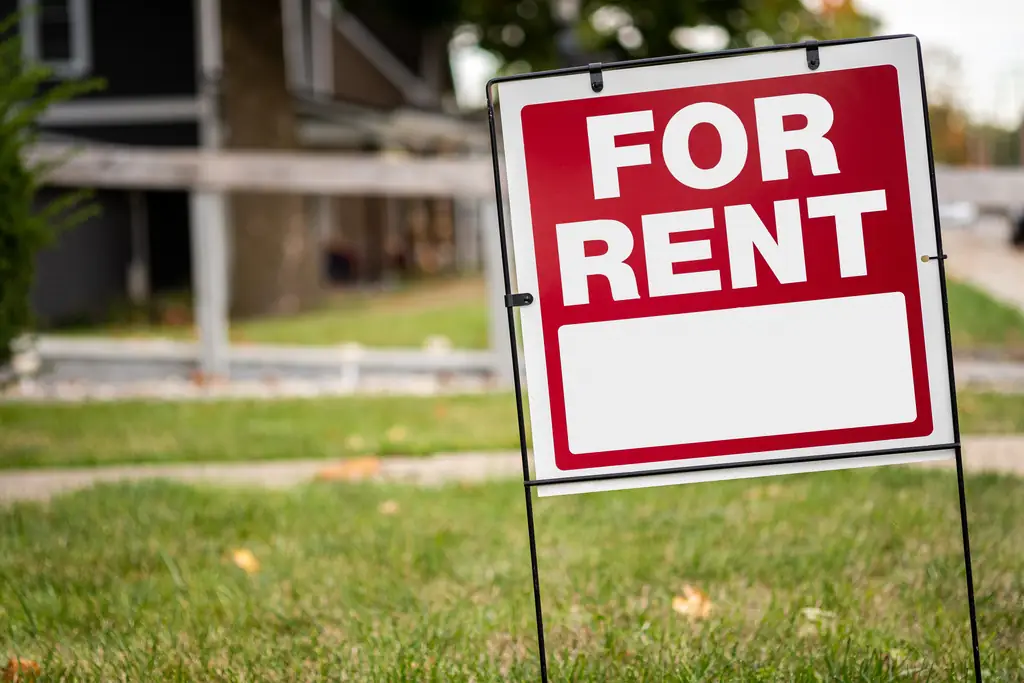
Managing a rental yourself can save money, but those savings matter only if you can keep the property occupied and handle the work consistently. For Chicago landlords, the better choice often comes down to whether self-management protects rental income or allows vacancy to eat into it.
What is Self-Managing Rental Property?
Self-managing rental property means the owner handles responsibilities that would otherwise go to a property manager. This includes advertising vacancies, communicating with prospects, arranging showings, screening applicants, collecting rent, coordinating maintenance, handling renewals, and keeping records.
Illinois law generally allows owners or lessors to perform brokerage-related activities for property they own or lease without holding a managing broker, broker, or residential leasing agent license. The exemption applies to activity involving the owner’s own property.
Self-managed rentals can work well for landlords with a small portfolio and enough time to handle the work. The arrangement becomes harder when vacancies linger.
Why Vacancy Matters in Chicago
Vacancy has an immediate effect on rental income. A unit generating $2,000 per month costs the owner roughly $67 in lost gross rent per day it remains vacant, before turnover or maintenance costs.
Chicago’s broader market suggests landlords should look closely at property-specific causes when a unit sits vacant for too long.
Chicago’s Market is Tight
The U.S. Census Bureau reported a 3.4% rental vacancy rate for Cook County in 2024. The agency describes low rental vacancy as a sign that housing supply is limited relative to demand.
Research from DePaul University’s Institute for Housing Studies also points to supply pressure in Chicago. It found that the city’s supply of lower-cost rental units has been shrinking faster than demand from lower-income renters.
That does not mean every Chicago rental will lease quickly. Demand varies by neighborhood, price point, unit type, condition, and season. Still, a prolonged vacancy should prompt landlords to examine the property and leasing process rather than assume there are simply no renters.
What Keeps a Unit Vacant?
Overpricing is one common cause. A landlord may base the asking rent on what they want to earn rather than what comparable units currently command.
Marketing can also be the problem. Poor photos, incomplete descriptions, limited exposure, and slow responses can reduce inquiries. A unit may attract showings but lose prospects because of its condition, lease terms, or perceived value.
Vacancy can also stretch out when landlords take too long to schedule showings or process applications. Prospective tenants often evaluate several rentals at once, so delays can cost a landlord an otherwise qualified applicant.
Should You Lower the Rent?
You shouldn’t do so immediately. Lowering rent can help when the property is clearly priced above comparable rentals, but it should follow a review of the vacancy rather than replace one.
Start with inquiry volume. Very few inquiries can indicate that the asking rent is too high, the listing is not reaching enough renters, or the advertisement does not make the property competitive. If renters attend showings but do not apply, assess the unit’s condition and overall value.
If qualified applications are coming in but the property remains vacant, review screening speed, communication, or lease terms.
Landlords can also consider a temporary concession instead of permanently cutting monthly rent.
Benefits of Self-Managing Rental Properties
For some owners, self-managing rental properties provides enough financial and operational advantages to justify the extra work.
More Control
The biggest reason landlords choose self-management is control. You decide how the property is marketed, when maintenance is authorized, how communication is handled, and which management systems to use.
Direct involvement also gives an owner firsthand information about what prospective tenants want and where problems may be developing.
Lower Direct Costs
Self-management eliminates the management fee paid to an outside company. For a landlord who already has reliable contractors, established leasing procedures, and enough time to respond quickly, that can make financial sense.
However, those savings must be weighed against the owner’s time and any income lost due to leasing or maintenance taking longer.
Challenges of Self-Managing Rental Property
A landlord who decides to self-manage rental property takes responsibility for much more than collecting monthly rent.
Time and Responsiveness
A landlord must be available when prospects want to tour the property. Leasing requires follow-up, documentation, screening, and coordination. A slow response at any of these stages can prolong the vacancy.
This becomes especially difficult for owners with full-time jobs or several rental properties.
Legal and Administrative Work
Compliance also requires attention. Chicago landlords may have responsibilities under local ordinances as well as Illinois and federal law.
Owners who self-manage need systems that keep leasing practices, notices, maintenance, deposits, and records organized. The calculation should therefore include the value of the owner’s time and the cost of mistakes, not just the management fee that self-management avoids.
Can I Pay Myself for Managing My Rental Property?
Landlords asking this should distinguish between valuing their time and actually paying themselves a separate management fee.
The tax and accounting treatment of such payments can depend on how the rental is owned. A property held personally may be treated differently from one owned through a business entity. A tax professional can explain how a payment would be applied under a particular ownership structure.
For the management decision itself, the more useful question is what your time costs. If self-management saves on fees but leads to longer vacancies, the apparent savings can quickly disappear.
How to Minimize Tenant Vacancy
Whether you hire a manager or handle the property yourself, reducing vacancy requires an organized leasing strategy.
Prepare Before Turnover
Reducing vacancy starts before the current tenant leaves. Landlords should confirm the move-out timeline early and plan repairs, cleaning, photography, and marketing so the unit does not sit unnecessarily between leases.
Tenant retention also matters. Prompt maintenance and reliable communication can make good tenants more willing to renew, eliminating the turnover period entirely.
Price for the Market
Pricing should reflect current comparable rentals. Zillow and Apartments.com both encourage landlords to consider comparable properties and current market information when setting rent.
If a listing receives little attention, adjust the price or presentation based on actual market feedback rather than waiting weeks before responding.
Keep Leasing Moving
Speed matters once prospects begin contacting you. Respond promptly and make showings reasonably accessible.
The application process should also be clear. Qualified prospects should know what information is required and what happens next so administrative delays do not unnecessarily extend the vacancy.
Protect Rental Income With the Right Management
There is no single answer to whether landlords should self-manage rentals or hire a manager. Self-management can work when an owner has the time, systems, and local knowledge to keep the property competitive, while professional management can make more sense when vacancies and operational demands begin to reduce returns.
Westward360 Rental Management provides property management solutions to multifamily properties, single-family and condo units, commercial establishments, and mixed-use developments in Chicago and beyond. Call us today at (773) 648-7244 or contact us online to get started!
Related Articles:
- The Benefits of Hiring a Rental Management Company
- Why You Need a Rental Home Inspection
- How To Reduce Rental Vacancy In Chicago