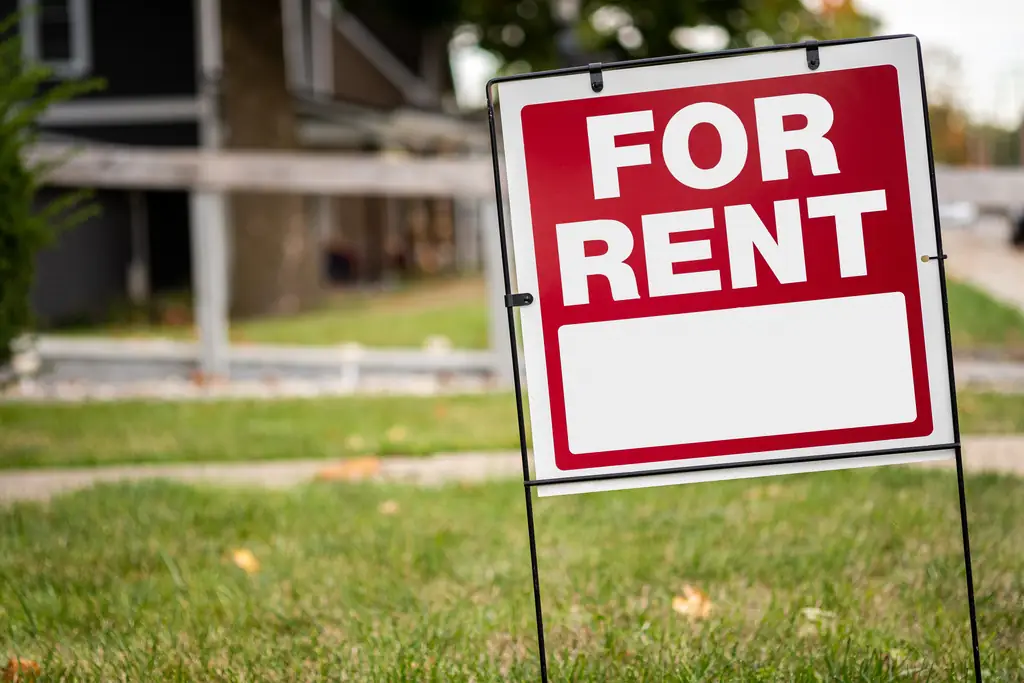
Showing a rental is a key step in filling a vacancy. A well-planned showing gives prospects a realistic look at the home while helping landlords respect tenant privacy, follow access rules, and keep leasing efficient.
What is a Rental Property Showing?
A rental property showing is a visit that allows prospective tenants to see a home before deciding whether to rent it.
The aim of these showings is to give renters a realistic idea of what to expect from the unit. It also provides them with the opportunity to ask questions and for property owners to explain key rental terms.
The unit shown may be vacant or still occupied by the current renter. Although showings at occupied rental houses may require additional coordination, the current tenant would still have rights to privacy and possession.
How to Show a Rental Property
What’s the best way to showcase a unit? Taking the right steps can improve your chances. Here are some of the things you can do.
Before the Showing
Prior to your showing, you will need to provide your prospect with all the essential information about your rental. Usually, this involves the rent amount, availability, rent rules, and significant lease conditions. Having these ready can save you time and unnecessary appointments.
In addition, you need to prepare the property. It should be clean and safe for people to walk through. If the property is vacant, you should complete repairs and improve lighting. Meanwhile, for occupied units, you will need to contact the current tenant before the viewing. You should provide any notice required by local laws.
During the Showing
You should arrive on time for the scheduled showing. In fact, for property managers and owners, it is best practice to arrive early and conduct last-minute checks.
When showing your prospective renters around, you should point out any standout or useful features that they may need. Listen to their questions and answer them accurately. Also, to manage expectations, don’t make any promises that are not reflected in your lease.
You also need to treat your prospects equally. Under the federal Fair Housing Act, discrimination in housing based on protected characteristics is prohibited.
After the Showing
After the showing, you can follow up with prospects who showed interest and give them clear application instructions. Explain the next steps and the criteria you are looking for. You should also disclose any required documents or fees.
Follow up with interested prospects and provide clear application instructions. Explain the next steps, screening criteria, and any documents or fees that may be required.
Also, remember to document everything well. Try to keep a detailed record of all showing dates and important communications.
Rental Open House vs. Individual Showings
A rental open house can be successful if multiple prospects want to check out the place in a short time. To reduce any repeated disruptions, you can try grouping appointments for occupied units.
Meanwhile, individual showings give property owners and managers more time to interact with prospects. You can go through the home more thoroughly while answering their questions in more detail.
Whether you host a rental open house or an individual showing, you will need to ensure the security of your property. This is especially crucial if you’re showing an occupied unit, which still contains the current tenant’s belongings.
What Do Tenants Need Before a Showing?
If you’re a current renter of a property that will be shown, you don’t really need to prepare any formal forms or sign anything. Instead, you will need to find out whether your landlord has a lawful reason to enter the space you’re renting. You also need to make sure they followed the required notice and lease terms.
Proper Notice Matters
Notice requirements vary significantly by state. While Illinois doesn’t have a requirement, Chicago specifically requires at least two days’ notice before a scheduled showing.
In your lease, you may also specify when the property can be shown and whether and when entry may occur. Property owners should check both the lease and local laws when scheduling a showing.
Tenant Permission is Not Always Required
Tenant consent is another consideration you may think is required, but not always. Yes, the property owner has the lawful right to enter the property for a showing, but the tenant may not always be able to reject a reasonable appointment even after proper notice.
Despite this, landlords shouldn’t assume that they can enter whenever they want. If the lease or local ordinances require consent from tenants, the landlords will still need to follow those rules.
Whenever possible, landlords should agree on convenient showing windows with the tenant. This reduces disruption and makes scheduling easier.
Should the Landlord or Management Company Handle Showings?
Either can conduct a showing. The better choice depends on who manages the rental and what responsibilities have been assigned.
When the Landlord Handles It
Self-managing landlords commonly conduct their own showings. This gives the owner direct contact with prospects and lets them answer property-specific questions quickly.
The landlord must also coordinate with any current tenant and comply with notice requirements before entering an occupied unit.
When the Management Company Handles It
If the property is professionally managed, the management company is often the more practical choice.
Using the management company also keeps the leasing process with a single point of contact. The manager can coordinate with the tenant, schedule prospects, document access, and guide interested renters into the application process.
The management agreement should clearly state whether the company can advertise the property, conduct showings, and communicate with prospective renters.
Your Best Foot Forward
Showings work best when property preparation, tenant communication, legal access, and prospect follow-up are handled consistently. Whether the landlord conducts the tour or delegates it to a management company, a clear process can make showings less disruptive and help move qualified prospects toward an application.
Westward360 Rental Management provides property management solutions to multifamily properties, single-family and condo units, commercial establishments, and mixed-use developments in Chicago and beyond. Call us today at (773) 648-7244 or contact us online to get started!
Related Articles: